Slop Isn't AI Output. Slop Is Unedited Output.
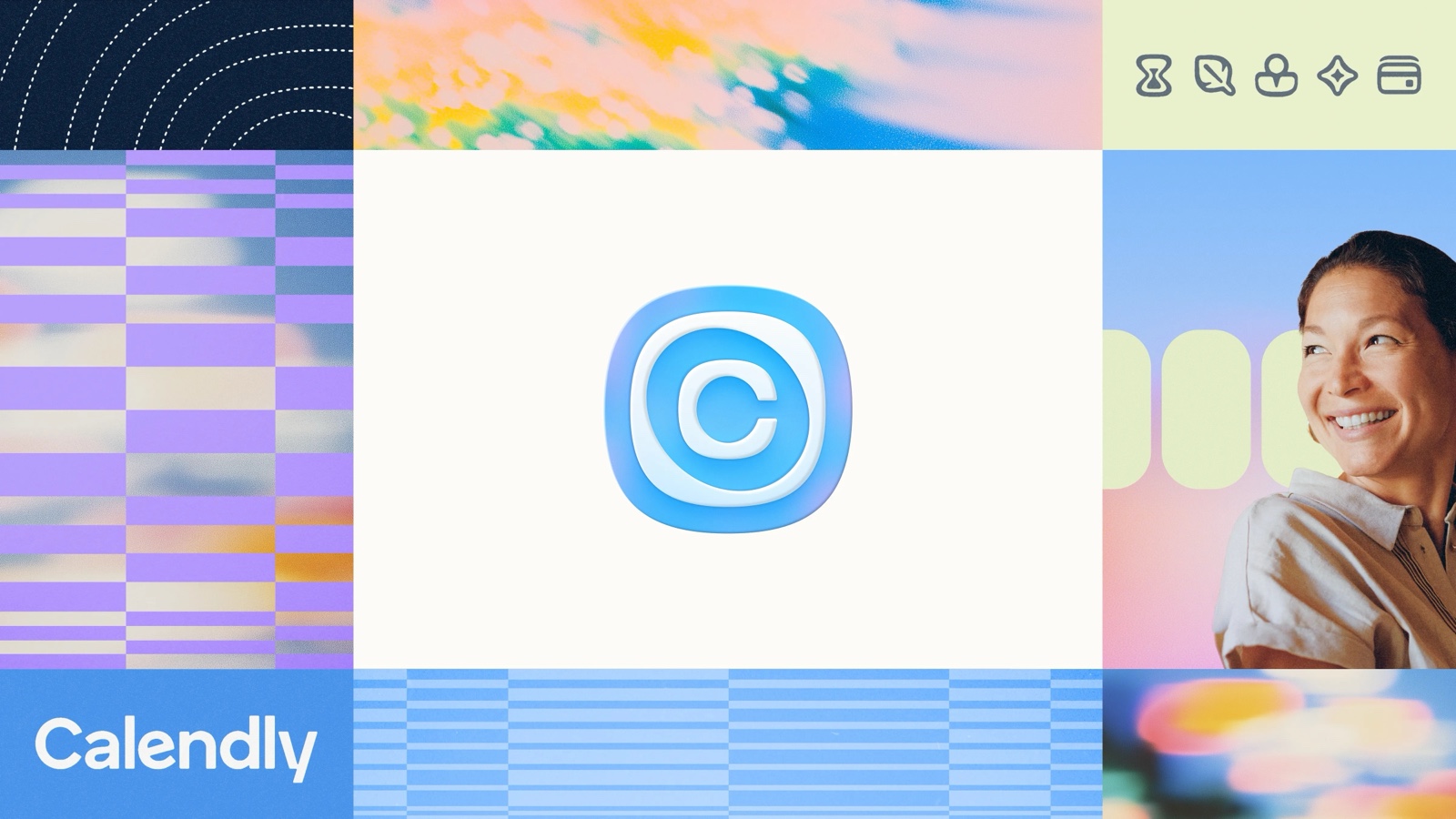
Calendly just rebranded. The case study dropped this week.
Smith & Diction did the work, and they showed all of it. Dozens of killed logo explorations. Hand-edited letterforms so the C flows into the A. Someone learning an animation tool from scratch because the client wanted the patterns to move. Every contributor credited by name, including the designer whose work mostly got killed.
And they used AI.
The tools in the room
Midjourney for colour exploration. A pattern generator built in Figma Make. Nobody hid it, nobody apologised for it, and nobody framed it as the story. It sat in the case study alongside the sketches and the type tests like any other tool.
The work still feels completely human.
That should be impossible if you believe the loudest version of the AI debate. On one side, AI output is slop by definition. On the other, the tools are so good that taste no longer matters. Calendly's rebrand quietly proves both camps wrong in the same project.
Slop is unedited output
Because slop isn't AI output.
Slop is unedited output.
It's what ships when the first good-enough version wins. When nobody has lived with the work long enough to know what doesn't belong. When nobody in the room has the authority to say no.
That definition has nothing to do with which tool made the first draft. I've seen slop drawn by hand. I've seen slop built by agencies with thirty people and a six-figure budget. Figma Make didn't ship Calendly's patterns. A person looked at hundreds of generated options, kept almost none, and edited what survived until it felt like theirs. The tool did the volume. The team did the judgment.
I wrote earlier this year that AI has no taste, and that's the whole point. This is what that looks like in practice. The taste shows up in what got killed, not in what got generated.
Months of work for one wobbly C
Smith & Diction killed months of work to get to one wobbly C.
Read that again from the client's side. A rebrand where most of the output never shipped, where the best-looking Midjourney boards were discarded, where a designer's entire direction was scrapped and they still got credited. That is what good work costs, and it's the part no AI tool can compress.
The killed explorations are the product. They're how you learn what the brand isn't. You can't skip to the wobbly C. You can only earn it by living with the alternatives long enough to know why each one is wrong. It's the same reason brand strategy has to come before the logo: the decisions that matter happen before anything is pretty, and most of them are decisions to stop.
Most of this work will never win an award and the general public will never notice the C. That's fine. The best design work rarely does. It just works, for years, without anyone asking why.
The authority to say no
Here's the uncomfortable part for anyone managing a team, a product, or a government.
Judgment isn't a skill you can sprinkle on at the end. It needs someone whose job is the work, who has lived with it, and who can stop it going out. Calendly's rebrand had that. Smith & Diction had a process where killing things was normal and the client trusted the kill.
Compare that with every demo-shaped launch of the last year. Sora shipped as a demo with a download button because nobody could slow the announcement down. Australia's weather website shipped to 750,000 complaints because nobody had the authority to say it wasn't ready. The tools in those rooms were fine. The missing piece was a person with the standing to edit.
Output is cheap, judgment is expensive
AI makes output cheap.
Judgment is still expensive.
That's the whole economics of design now. The first draft costs nothing. The hundredth draft costs nothing. What costs something is the person who can look at a thousand cheap options and know which one deserves to exist, then keep working it until it's right. AI removed the excuse that designers can't build. It didn't remove the need for someone to decide what's worth building.
If you're hiring for design in 2026, stop asking which tools people use. Ask what they've killed.
---